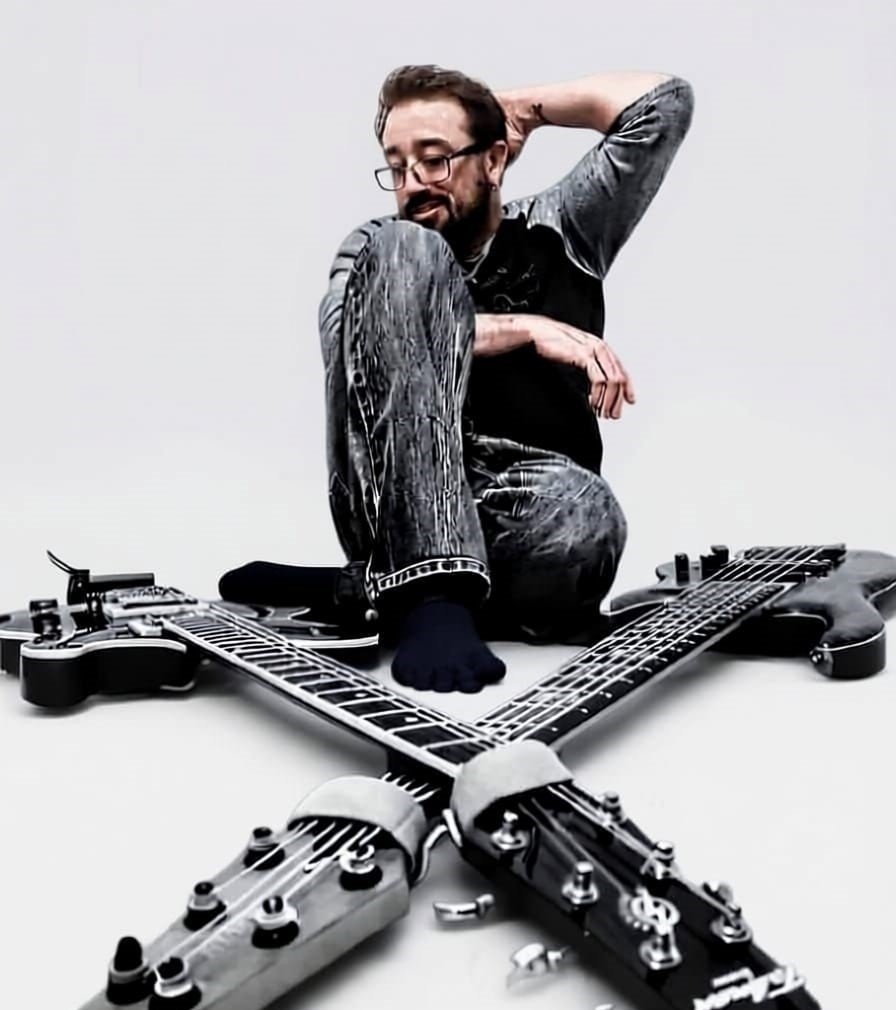
I spent much of my life learning how to play music. It took much longer to understand why I needed to make it. I believe music can communicate emotions more honestly than words. Intrinsic Persona began during a long journey of self-awareness and personal growth, born from a desire to create without pretense and to explore the shared emotional experiences that connect us. Rather than telling listeners what to feel, these compositions are invitations—spaces where personal experiences and the music can meet. Each release is another attempt to better understand what it means to be human.
Because nothing in life is ever experienced singularly.
Why Do I Make Music?
Finding a Language
Music was never something I discovered. It was always there. Both of my parents were musicians, and while they never found commercial success or seriously pursued it that far, our home was filled with music. At first it wasn't a passion so much as a routine—a part of everyday life that simply existed alongside everything else.
That changed when I was a teenager.
I picked up guitar, then bass, and for the first time I experienced a kind of freedom I didn't know was possible. Until then, so much of what I thought and felt existed only in my own head. Music gave those thoughts shape. It became the first language I had ever found that could translate the intangible into something real.
Like many young musicians, I dreamed of becoming a rock star. I played in bands that came close to breaking into the industry, and at the time I believed that was the goal.
Looking back, I'm grateful that it wasn't.
Because success would have arrived before I understood why I was making music in the first place.
Learning to Speak
As I grew as a musician, I realized I wasn't drawn to technical ability for its own sake. What captivated me were the artists who could communicate something deeply human through their playing.
One of the earliest was Cliff Burton. There was something fascinating about him—a seeming hippie playing inside one of the heaviest bands in the world. Amid the distortion and aggression, he'd weave in melodic and classical phrases that felt almost impossibly beautiful. Those moments didn't weaken the music; they gave it depth. They reminded me that tenderness and intensity aren't opposites. They make each other meaningful.
Years later, I discovered Victor Wooten.
His philosophy—that music is simply another language we use to communicate—gave words to something I had felt for years but had never been able to articulate.
That idea changed the way I thought about being a musician.
The notes mattered.
Technique mattered.
But only in the same way vocabulary matters in a conversation.
If the music wasn't saying something honest, none of the rest of it mattered.
Becoming Fluent
There was never a defining moment when everything changed.
No revelation. No single album. No life-altering performance. No instant realization that technique wasn't enough.
It happened slowly.
Almost invisibly.
Each song I wrote, each band, each new influence added another piece to the puzzle. Looking back, I can see that I was changing long before I understood what I was changing into.
I didn't stop loving technique.
I didn't stop wanting to improve.
I simply became more interested in what the music was communicating than in how difficult it was to play.
It wasn't a decision.
It was an evolution.
Searching for a Language
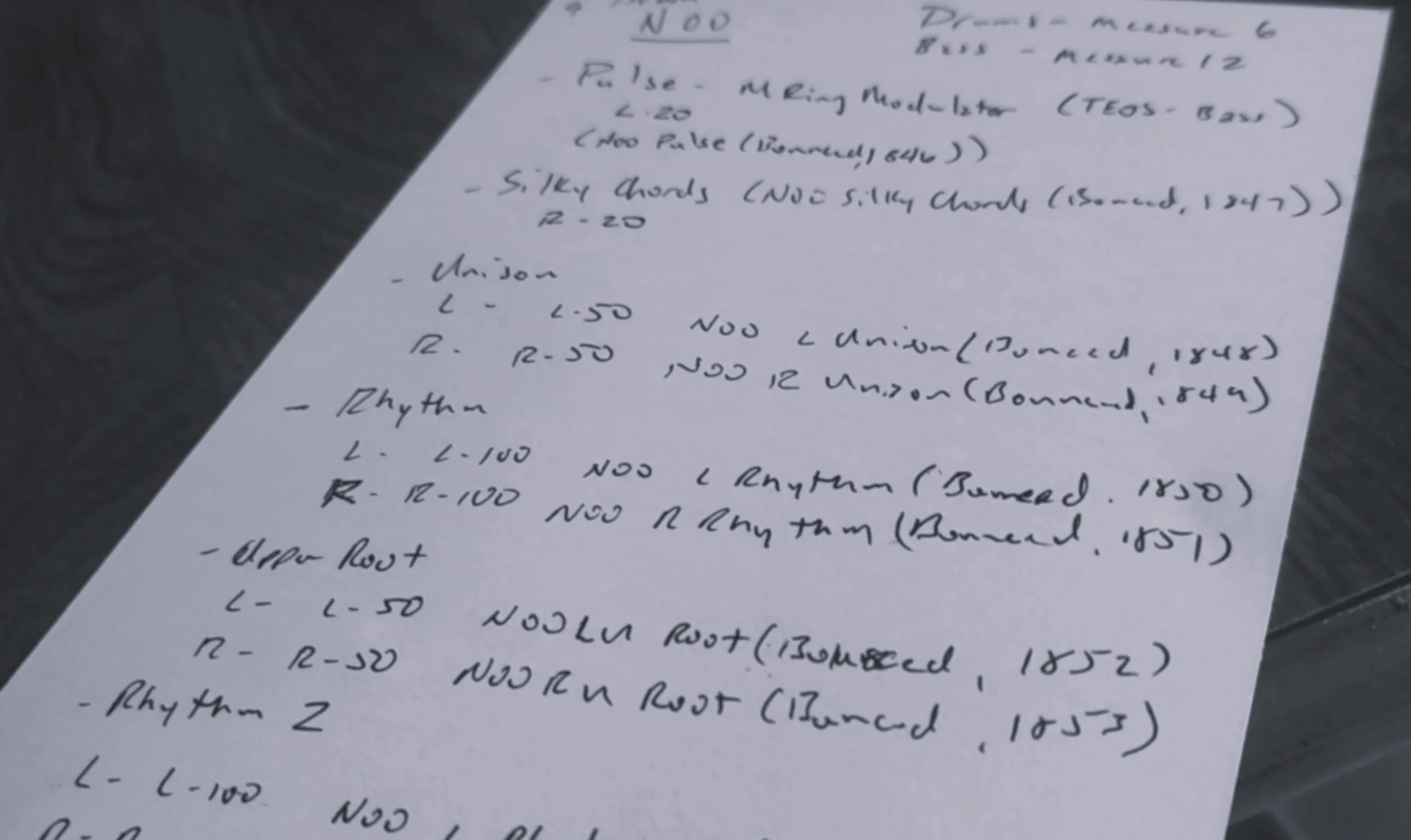
Over the years, I found myself moving through almost every style of music I could.
Metal and grunge were the beginning.
From there came classic rock, progressive music, jazz, blues, folk, jam bands, experimental projects, and eventually more mainstream rock.
Each genre taught me something different.
Each expanded my vocabulary.
For a long time, the focus was always the next rehearsal, the next recording session, the next performance.
Music was something I experienced in motion.
There was always another stage.
Another band.
Another chapter.
Looking back, I realize I wasn't searching for the right genre.
I was searching for the most honest way to communicate.
Every style I explored became another dialect in the same language.
I became less interested in arriving somewhere and more interested in understanding where the music could take me.
Becoming Whole
There was no single moment when Intrinsic Persona was born.
It emerged during a period when much of my life felt like it was coming apart.
Before this project existed, I stepped away from writing and performing for a long time. At first it seemed like I was simply taking a break from music.
Over time, I realized it was something much deeper than that.
I had spent years neglecting a part of myself that wasn't optional.
Music wasn't just something I did.
It was part of who I was.
By ignoring it, I wasn't creating more balance in my life—I was quietly becoming less whole.
That realization changed everything.
Intrinsic Persona wasn't created because I wanted another musical project.
It was created because I needed one place in my life where I could be completely honest.
Not perform.
Not impress.
Not become someone else's idea of who I should be.
Just tell the truth.
I began writing again, not because I thought it would fix everything, but because it felt like the only way to reconnect with the part of myself I had abandoned.
The music became more than expression.
It became reconciliation.
Intrinsic Persona is the lifelong process of uncovering and expressing the truest parts of ourselves, even after they've been hidden by circumstance, expectation, fear, or time.
The Beginning Never Changed
People sometimes ask whether my creative process has changed over the years. In many ways, it hasn't. Almost every piece still begins the same way.
A question.
A feeling.
A melody.
Or simply asking myself, "What if?"
Those small moments of curiosity are still where every composition begins.
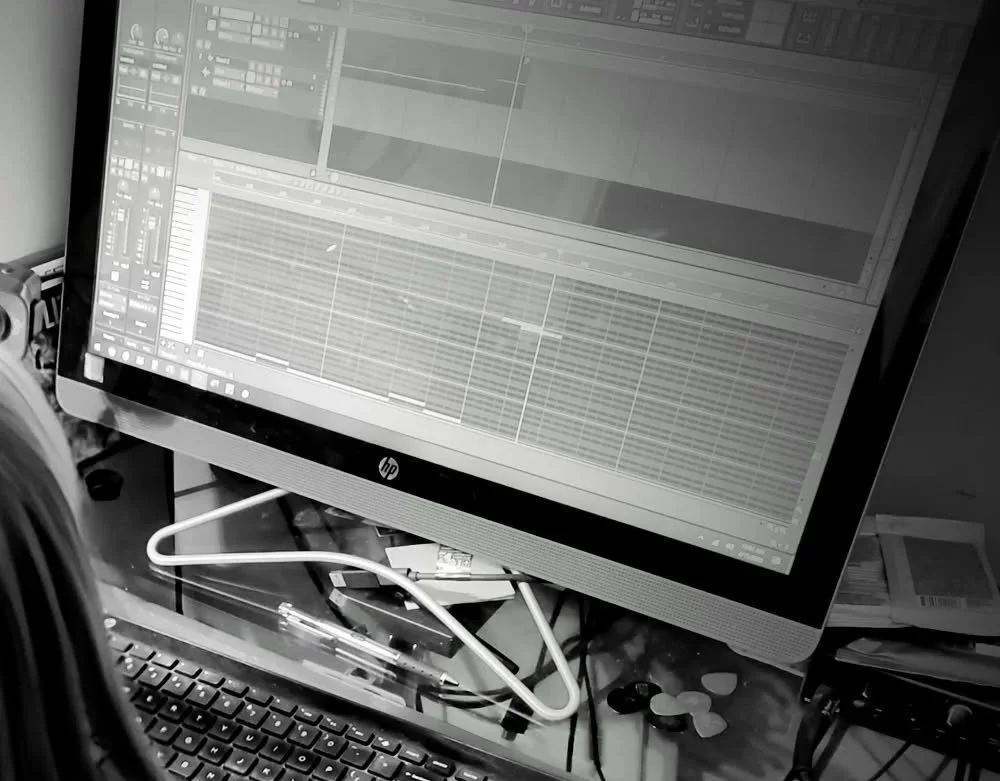
I've become a better musician. A better arranger. A better recording engineer. Experience has expanded the tools available to me. But the origin of the music hasn't changed.
Curiosity still comes first.
The difference now is that I'm less interested in proving what I can play, and more interested in discovering where a question might lead.
I try not to force the answer.
I let the music find it.
The Conversation Continues
I don't spend much time thinking about what people will think of my music.
I think about what they might feel.
Every listener brings a different life into a piece of music.
Different memories.
Different joys.
Different losses.
Different questions.
I don't expect everyone to hear the same story.
In fact, I hope they don't.
If someone finishes listening and finds themselves sitting in silence for a moment...
If a melody reminds them of someone they love...
If a passage helps them put words to something they've never been able to explain...
If they immediately want to hear the music again because they're still trying to understand what they experienced...
Then the music has done exactly what I hoped it would do.
More than anything, I hope these compositions remind people that there is still beauty to be found—in curiosity, in connection, in transformation, and even in chaos.
If they leave feeling something honest, then we've shared a conversation that didn't require words.
"If my music helps someone reconnect with something honest within themselves, then it has fulfilled its purpose."