
I don't write songs to tell stories. I write songs to create experiences.
Music is a language.
I don't see music as a collection of notes or technical exercises. I see it as another language. Every melody, rhythm, and harmony is an opportunity to communicate something words often can't. My goal has never been to impress people with complexity. It's to express an experience honestly enough that someone else might recognize themselves in it.
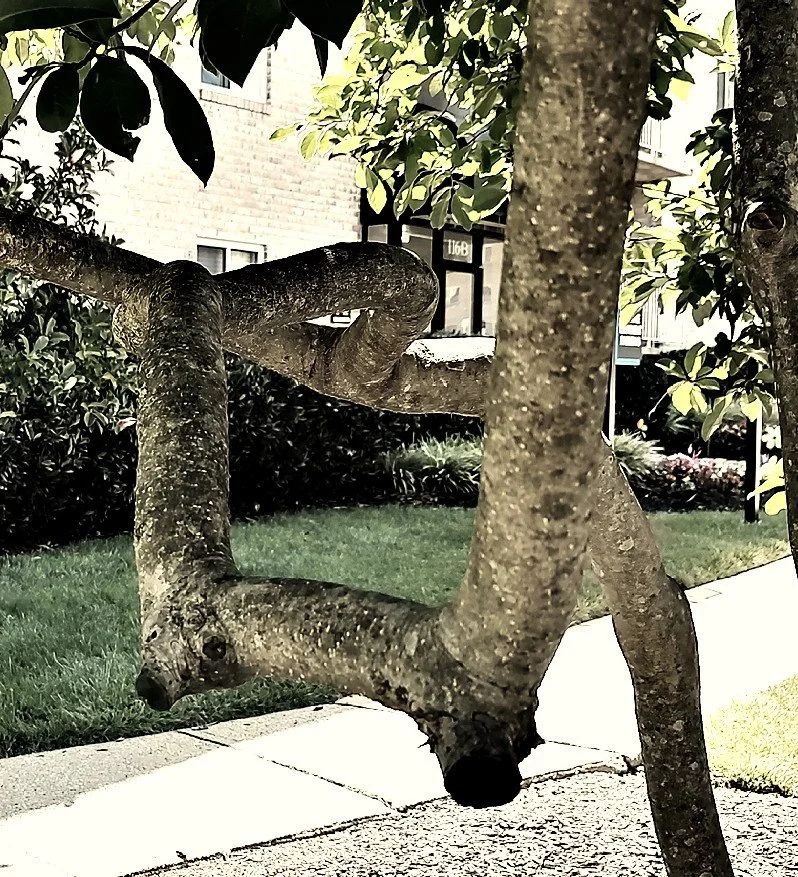
Curiosity comes before composition.
Every piece begins with a question rather than an answer. Sometimes it's deeply personal, sometimes it's philosophical, and sometimes it's simply an exercise in curiosity. The composition becomes my way of exploring that question rather than trying to solve it.
Complexity exists to serve emotion.
Progressive music often has a reputation for complexity for its own sake. While I love unusual rhythms, extended forms, and intricate arrangements, they're never the destination. They're simply tools. If a simple melody communicates the idea best, that's enough. If an odd meter creates the exact feeling I'm searching for, I'll use that instead. The music always serves the emotion—not the other way around.
Every song is empathy.
Every composition begins with curiosity and becomes an attempt to translate an experience into music. The melodies, rhythms, harmonies, and structures aren't there to showcase complexity—they exist to place the listener inside an emotion, a perspective, or a moment that words alone can't fully express.
Once the music is released, the experience no longer belongs solely to me. Every listener hears them through the lens of their own memories, struggles, and experiences, continuing the conversation in a way I never could alone.
The listener finishes the song.
If someone listens to one of my songs and walks away feeling something—whatever that feeling happens to be—then the music has done its job. Once they're out there, the songs have a life of their own. Every listener brings their experiences, hopes, and questions to them, and that's where the conversation becomes complete.