
Phobophilia - © 2024
The Question
Why do we sometimes love the things that frighten us?
The Spark
Sometimes the inspiration for a song isn't the event itself, but watching someone else experience it.
Phobophilia grew out of a visit to a haunted attraction with a friend. I found myself paying less attention to the scares than to their reaction—to the excitement, the appreciation for the craftsmanship, and the genuine joy they found in being frightened.
Watching someone embrace fear so completely made me curious. Fear is one of our oldest survival mechanisms, yet here it had become entertainment, celebration, even connection.
That paradox became the beginning of the piece.
The Journey
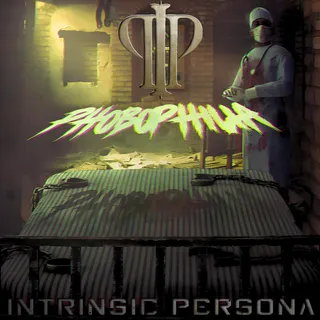
Phobophilia is conceived as a single uninterrupted journey through a haunted attraction. Rather than illustrating fear from a distance, the piece invites the listener to become the participant, experiencing the anticipation, surprise, exhilaration, and unease that make fear strangely enjoyable.
The journey begins without warning.
Off-key orchestral strikes and scattered percussion emerge from silence, quickly building into an eerie introduction that presents the opening theme. Beneath the music, subtle environmental sounds begin to reveal themselves—a heartbeat gradually accelerating, the heavy breathing of someone desperately trying to escape, and the unsettling suggestion that something is relentlessly pursuing them. The tension continues to build until everything is interrupted by a sudden intake of breath and the unmistakable sound of a heavy blade falling.
What follows is pursuit.
The drums begin with an almost tribal pulse before locking into an unwavering rhythm that refuses to relent. It isn't frantic. It is inevitable. Above it, a guitar solo struggles with increasing urgency, eventually collapsing into a deliberately exaggerated classical arpeggio—a playful nod to the traditions of horror cinema.
That theatrical gesture is immediately twisted.
The transition expands the classical idea into something far more aggressive before collapsing into near silence. Only wind remains, accompanied by a lonely guitar melody and the unsettling innocence of an off-key music box. Distorted drums echo unpredictably through the emptiness while whispered voices drift just beyond comprehension, never quite revealing themselves.
Almost imperceptibly, the chaos begins organizing itself.
The distorted percussion gradually settles into a steady pulse as one ghostly voice finally emerges from the noise. Around it, syncopated impacts and growing dissonance accelerate toward another violent interruption, culminating in a guttural growl that launches the next section.
The music suddenly becomes physical.
A tightly synchronized rhythm drives relentlessly forward while a guitar solo twists above it, deliberately capturing the disorienting feeling of navigating a funhouse where every familiar perspective has been distorted. Beneath the surface, stray off-key piano notes quietly undermine any sense of stability, reminding the listener that even moments of excitement carry an undercurrent of unease.
The final act transforms once again.
Distorted laughter begins to emerge as the atmosphere shifts from haunted house to haunted circus. What follows resembles a grotesque carnival march, equal parts playful and sinister, with an eerie guitar melody crying out above the procession. The familiar comfort of spectacle has given way to something increasingly uncontrollable.
Then comes the ending everyone expects.
The chase. The frantic escape attempt.
The tempo surges forward as the music breaks into one final desperate sprint. The rhythmic urgency becomes almost impossible to resist, recreating the instinctive impulse to run even when the rational mind knows the danger isn't real.
The piece refuses a clean conclusion.
Instead, it dissolves into an unresolved chord that slowly transforms before disappearing into the same cold wind from which the journey began.
The haunted house ends.
The feeling lingers.
Artwork by Adam’s Gallery